ServicesRoof Inspections
Roof Inspections in Bellevue, With an Upkeep Plan You Can Keep
We walk your roof, look closely at the parts that usually fail first, and show you photos of what we find. You get an honest read on its condition and a short list of upkeep that helps the roof you already have last longer.
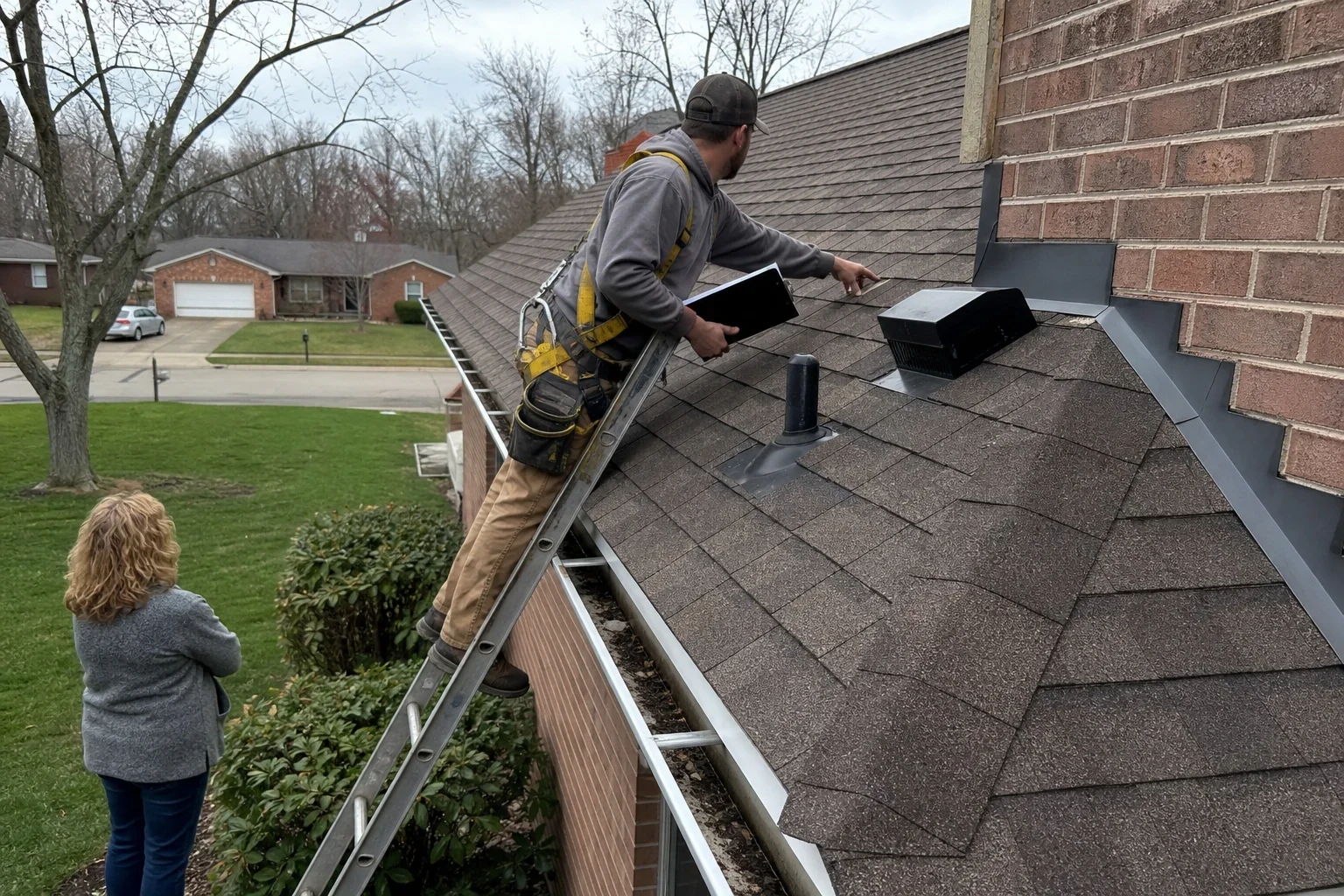
What a Careful Inspection Gives You
Most roofs do not fail all at once. A seal on a pipe boot dries out, a nail backs up under a shingle, a valley collects grit until water slows down and finds a seam. Caught early, each of these is a small, tidy repair. Left for a few seasons, they become stained ceilings and soft decking.
An inspection is how you catch wear early, while the fix is still modest. Our approach treats the roof as one connected system: the shingles, the flashing where the roof meets walls and chimneys, the vents that let the attic breathe, and the gutters that carry water away from your home.
It is the right call when you are buying or selling, when the roof is past the middle of its life, after a hard winter of freeze and thaw, or simply when nobody has looked at it in a few years.
What We Check on Your Roof
Shingle surface and seal
We look for granule loss, cracking, curled edges and tabs that have lost their seal. Granules collecting in the gutters tell us how quickly the surface is wearing.
Flashing and penetrations
Chimneys, skylights, sidewalls and plumbing vents are where most leaks begin. We check step flashing, counterflashing, caulk lines and the rubber collars on pipe boots, which tend to crack long before the shingles around them.
Valleys, ridges and edges
Valleys carry the most water on any roof, so we look for worn or lifted shingles there. We also check ridge caps and the drip edge along the eaves.
Attic ventilation and decking
Where we can safely reach the attic, we look for daylight, damp sheathing, frost marks and blocked soffit vents. Poor airflow shortens shingle life and feeds ice dams in winter.
Gutters and drainage
We note sagging runs, loose hangers, leaking seams and downspouts that dump water against the foundation. Our gutters page covers that work in more detail.
Signs It Is Time for an Inspection
Granules in the gutters
A handful after a new roof is normal. Steady drifts of grit years later mean the shingles are wearing through their protective layer.
Stains on a ceiling or in the attic
Even a faint ring is worth tracing. The source is often several feet uphill from where the stain shows.
Icicles and ice ridges along the eaves
Heavy ice at the edge after a cold snap usually points to heat escaping into the attic. That pattern wears on shingles and can push water under them.
A roof of uncertain age
If you bought your home without a clear record of the roof, a baseline inspection tells you where it stands and what to plan for.
After high winds
Missing tabs, creased shingles and lifted ridge caps rarely show from the street. When we do spot wind damage, our storm damage repair page lays out what happens after that.
Moss, streaks or sagging lines
Dark growth on a shaded slope holds moisture against the shingles. A dip along a ridge or rafter line can mean the decking underneath needs attention.
How the Inspection Runs
- 1
Start with a phone conversation
Tell us roughly how old the roof is, what repairs it has had and anything that has worried you. Then we agree on a visit time that fits your week.
- 2
From the ground, then up top
We walk the perimeter to read the rooflines and gutters, then go up when it is dry and safe. We step carefully and keep ladders off your plantings and painted trim.
- 3
Photos of everything that matters
Each concern is photographed close up and from a distance, so you can see exactly where it is and why it caught our eye.
- 4
A plain report and an honest answer
We sort findings into what needs attention now, what to watch, and what is fine. When a modest repair is enough to keep the roof sound for a good while longer, that is what we recommend. Roof replacement only comes up once further repairs would cost more than they give back.
What Shapes the Cost of the Work We Find
The inspection itself is free. What follows depends on what we find, and we write every recommended item out separately so you can decide what to do now and what to schedule later. If a repair is needed, our current offer applies: Limited Time — $50 Off Your First Service Call.
- What we find
- Resealing a pipe boot is a short job. Replacing step flashing along a wall or rebuilding a valley takes more time and material.
- Pitch and access
- Steep slopes, tall elevations and tight side yards need more staging and safety gear, which adds time to any repair.
- Condition underneath
- Soft or stained decking only shows itself once shingles come up. We tell you in advance if we think it is likely and price that part separately.
- Matching materials
- Older or discontinued shingles can be harder to match in color and profile. We show you the closest options before any work begins.
Roof Inspection Questions
Something not covered here? (859) 470-2899
How much of my day does an inspection take?
Plan on roughly an hour for an average-size house. A large or steep roof, or a trip into the attic, can stretch that a little. Before we pack up, we sit down with you and go through what we saw.
Do I need to be home?
Not for the roof itself, as long as we can reach the yard safely. If you would like us to check the attic, someone will need to let us in. Many homeowners like to be there to see the photos as we walk through them.
Will an inspection turn into a sales pitch for a new roof?
No. Most roofs we look at need upkeep, not replacement. Our aim is to help the roof you have last as long as it reasonably can, and we tell you plainly when that is the case.
How often should I have my roof inspected?
Every couple of years is a sensible rhythm for most roofs, and more often once a roof passes its midpoint. A look after a rough winter or a strong windstorm is also worthwhile.
Can you inspect a roof for a home I am buying or selling?
Yes. We give you the same photos and written findings, which help you plan repairs or talk through condition with the other party.
Can you help if I think I have an insurance claim?
We can document what we see with clear photos and explain what the damage means for the roof. The adjuster decides on coverage, but you will go into that conversation with a clear record.
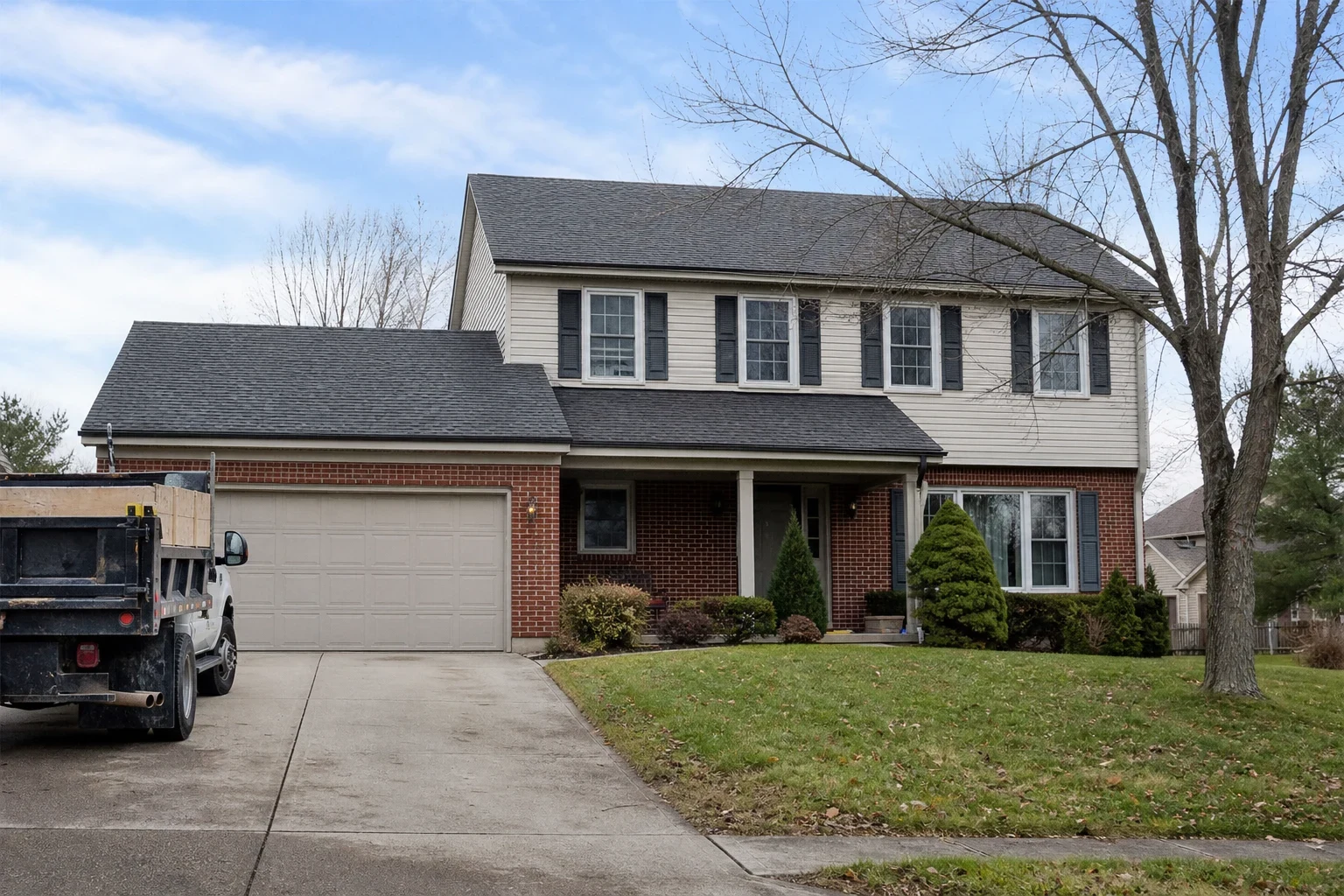
Know Where Your Roof Stands
An hour on your roof now can save a season of patching later. Give us a ring, describe anything that has caught your eye, and we will arrange a visit that suits your schedule.