ServicesSiding
Siding Repair and Replacement in Bellevue
We repair damaged sections and re-side whole walls, and we look behind the boards before we decide which one you need. You get a clear answer, a written estimate and siding that keeps water out of the wall instead of just covering it.
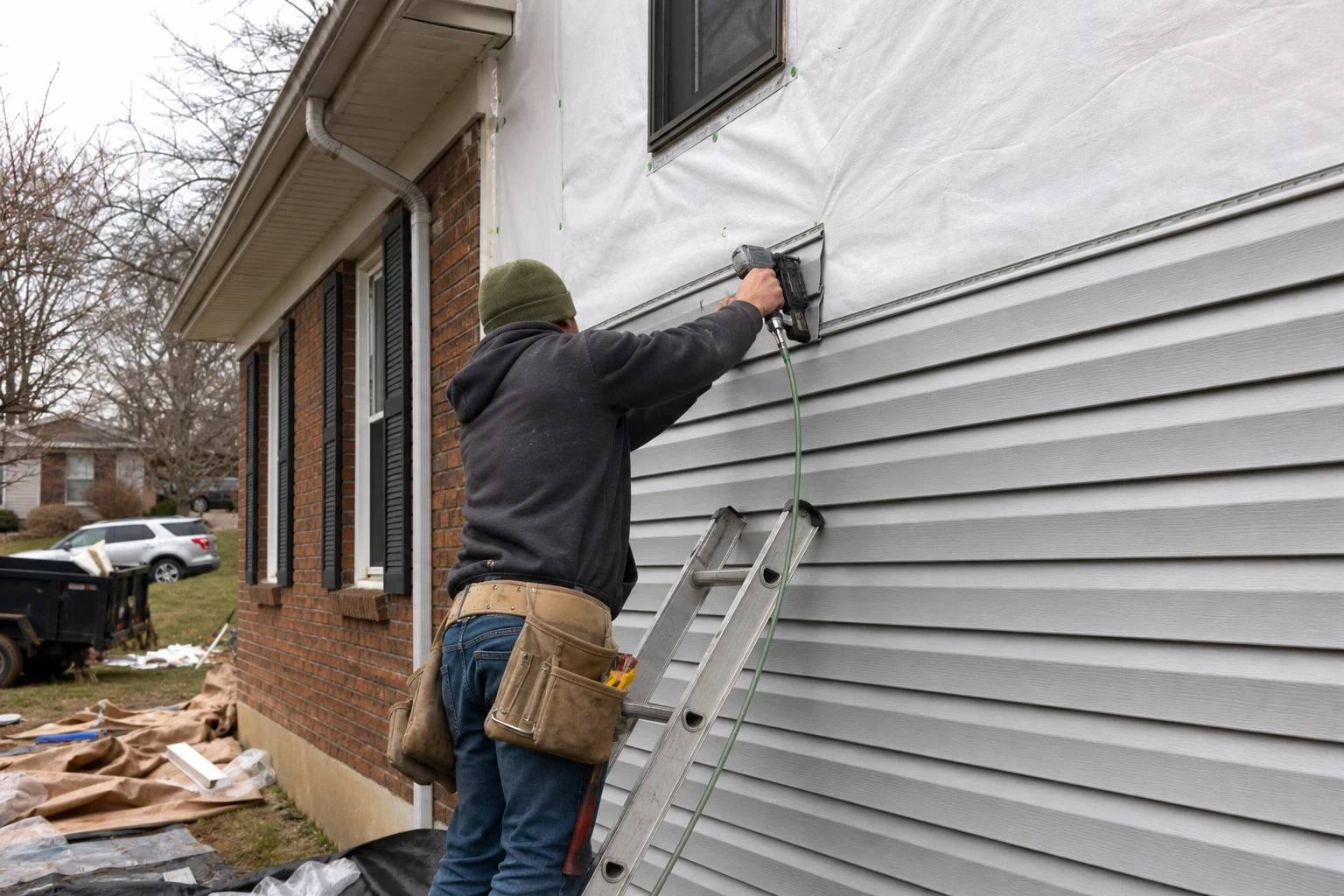
Siding that protects the wall it covers
Siding is a rain screen. Its job is to shed most of the water, while the wrap, flashing and trim underneath handle the rest. When one of those layers fails, the boards can still look fine from the street while the sheathing behind them softens.
That is why our siding work starts with the wall, not a color chart. Often a few cracked panels, a failed corner or a missing piece of flashing can be repaired and the rest of the siding left in service for years. When the damage runs deeper, we tell you plainly and price a full replacement.
Northern Kentucky winters swing above and below freezing many times a season, and that cycle is hard on caulk joints and brittle vinyl. Keeping those small openings closed is most of what makes siding last.
What our siding work covers
Panel and board repair
We replace cracked, loose or missing vinyl panels and split wood or fiber cement boards. Where we can, we match profile and color so the repair blends with the wall.
Full re-siding
When a wall or the whole house needs it, we remove the old siding down to the sheathing, repair what we find, and install new vinyl or fiber cement with proper fastening and expansion gaps.
House wrap and flashing
We install or repair weather-resistant wrap and flash around windows, doors and penetrations. Kickout flashing goes in wherever a roof edge meets a sidewall, a spot where water often gets in.
Trim, corners and soffit edges
Corner posts, J-channel and trim boards get replaced or resealed so the edges of the system close up cleanly.
Sealing and touch-up
Failed caulk at joints and around fixtures is cut out and replaced with a sealant suited to the material, not smeared over the old bead.
Signs your siding needs attention
Cracked or brittle vinyl
Cold makes vinyl less flexible, and a winter impact can split a panel. A crack lets water run straight onto the wrap.
Warped or buckled panels
Panels nailed too tight cannot expand in summer heat, so they ripple. Left alone, they pull loose at the seams.
Soft spots or peeling paint
On wood siding, paint that keeps peeling in the same place, or trim that dents under a thumb, usually means moisture is trapped behind it.
Stains below a roof line
Dark streaks where a roof meets a wall often point to missing kickout flashing. We can check the roof edge at the same visit.
Gaps at corners and windows
Open joints around trim are small, but they let in water and insects. They are also the easiest problem to fix early.
How a siding job runs
- 1
Free walk-around and estimate
We look at each wall, probe suspect areas and photograph what we find. You receive a written, line-item estimate that says whether repair or replacement makes sense and why.
- 2
Preparing the site
We check whether your city requires a permit and pull it when it does. On the work day we cover plantings along the foundation and set ladders and staging away from walkways.
- 3
Opening the wall
Old siding comes off in sections. If the sheathing is damaged, we show you before replacing it, so nothing is added to your bill without your say.
- 4
Wrap, flashing and new siding
We lap the wrap correctly, flash every opening, then hang the siding with the right nail spacing and room to move.
- 5
Cleanup and final walk
We haul away debris, run a magnet over the yard for nails and walk the finished walls with you, noting anything worth watching over the next few seasons.
What shapes the cost of siding work
Every siding price comes from the house in front of us, so we price it after we see it. Your written estimate lists each item separately, and the factors below are what move it most. If the wall turns out to need more than we expected, we stop and talk with you first.
- Wall area and height
- More square footage means more material and labor. Second stories and steep grades need staging, which adds time.
- Material choice
- Vinyl, fiber cement and wood each cost differently to buy and install. Fiber cement is heavier and slower to cut but holds paint and shape well.
- What is under the old siding
- Rotted sheathing or missing wrap adds work. We can only confirm it once the old boards come off, which is why we flag the possibility up front.
- Windows, trim and details
- Each window, door and corner needs flashing and trim work, so a wall with many openings costs more than a plain one of the same size.
Siding questions we hear often
Something not covered here? (859) 470-2899
Can you repair just part of my siding?
Often, yes. If the damage is limited and the wall behind it is sound, a section repair is usually the sensible choice. We only recommend full replacement when the wrap or sheathing is failing across a wall or the siding is breaking down everywhere.
Will new panels match my existing siding?
We bring samples and look for the closest profile and color available. Older vinyl fades, so a perfect match is not always possible. When it is not, we can suggest moving original panels from a hidden wall to the front and using new ones out of sight.
Can new siding go over the old siding?
It can be done, but we rarely recommend it. Covering old siding hides whatever damage is behind it and makes flashing around windows harder to do well. Removing it lets us see the wall and fix it once.
Should I do siding and roof work at the same time?
If both are due, doing them together lets us tie the roof edge flashing into the new wall properly. We also handle gutters, which often come down during re-siding anyway. If only one is needed, we will say so.
How do I keep siding in good shape afterward?
Rinse it once a year, keep shrubs trimmed back a few inches and check caulk joints each spring. Make sure gutters drain away from the walls, since overflow is a common cause of stained and swollen siding.
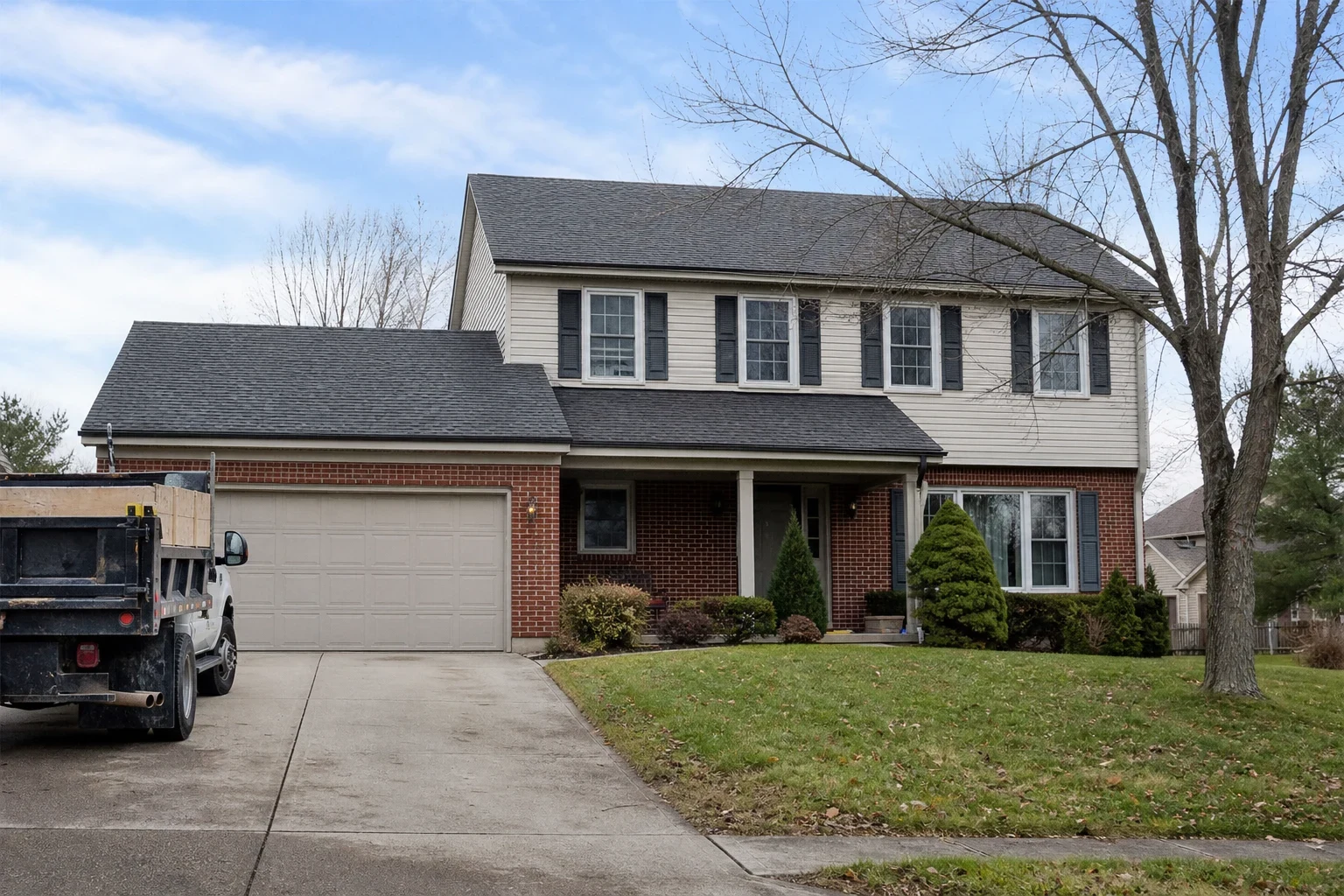
Have your siding looked at before small gaps grow
We will walk each wall with you, point out what is sound and what is not, and put the repair-or-replace answer into a line-item estimate you can keep. Ask about our Limited Time — $50 Off Your First Service Call.