ServicesRoof Replacement
Roof Replacement in Bellevue, Built to Be Looked After
When repairs stop holding, we replace the roof from the decking up and build it so the upkeep that follows is simple. You get a dry, sound roof over your home, a written scope before any work begins, and a finished job you can actually maintain.
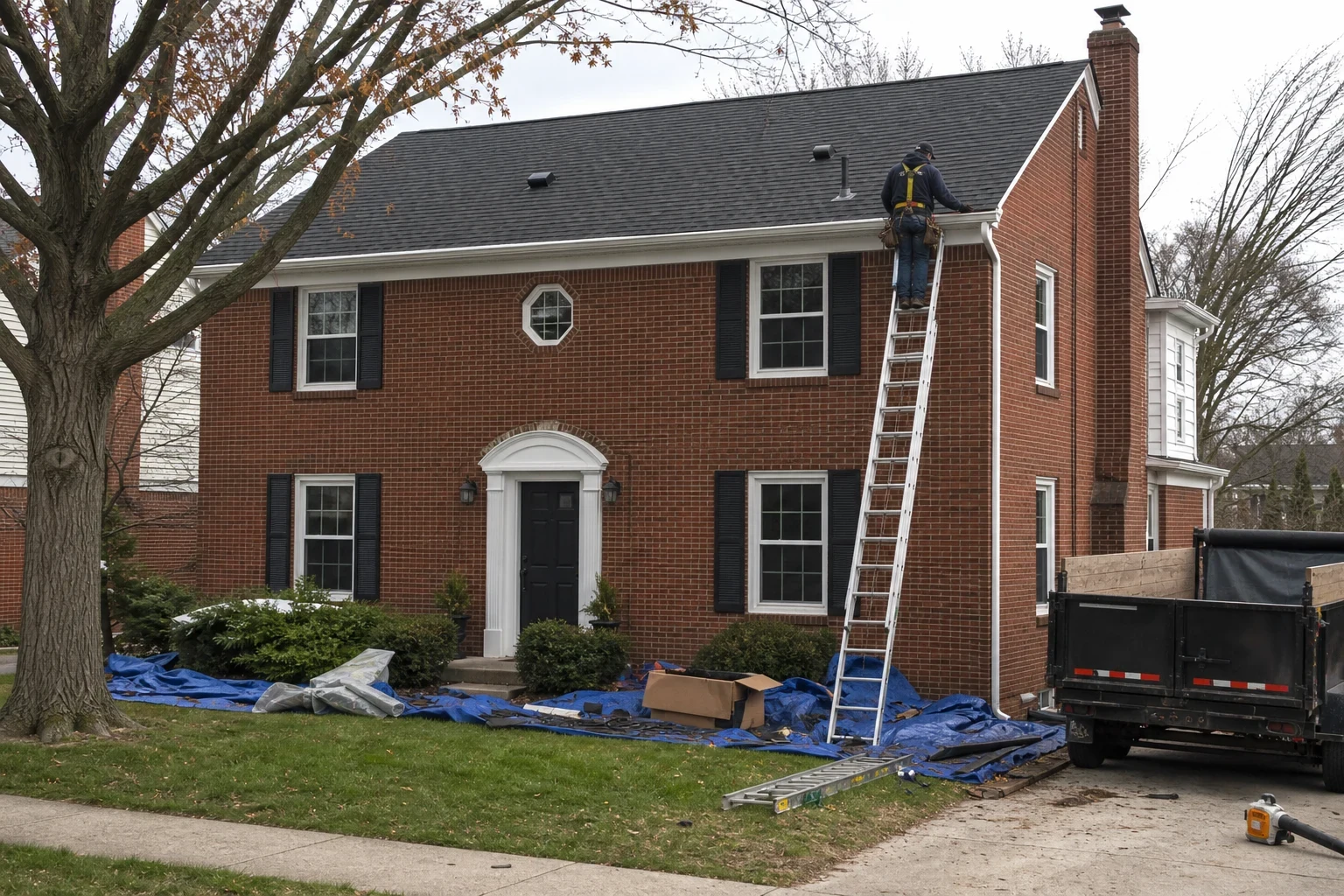
Deciding between another repair and a new roof
A leak on its own rarely means the whole roof has to go. If a lifted shingle or a split pipe boot is the cause, we would rather fix it than sell you something you don't need, and our roof repair page covers that work. Replacement earns its place when the shingles are worn through, when the decking beneath has softened, or when fixes keep showing up in new spots.
Northern Kentucky winters are hard on asphalt. Water works into small gaps, freezes overnight and opens them a little wider each cycle. A roof can look fine from the street and still be near the end. When we tell you it's time, we show you the photos that say so.
A replacement is also the one chance to correct what is hidden: ventilation, flashing, drip edge and underlayment. Getting those right now is what lets a new roof age slowly.
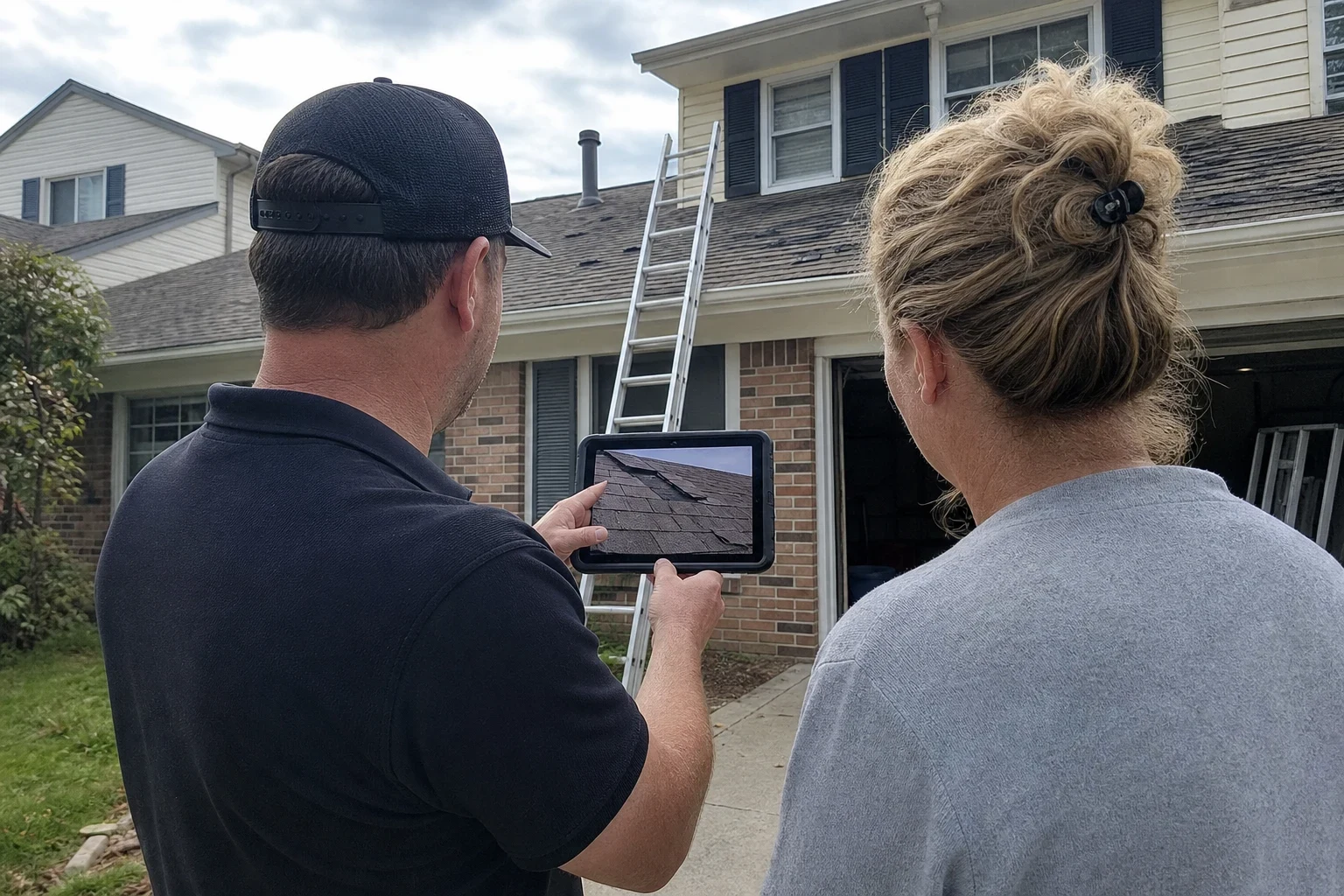
What a full replacement includes
- 01
Full strip to bare wood
Every old shingle and the felt beneath it come off, so the new roof starts on bare sheathing instead of on top of a worn layer. With the deck exposed we can check and fix it, and your framing isn't left carrying two roofs.
- 02
Decking repair
Soft, delaminated or rotted sheathing is cut out and replaced. We photograph it and note how many sheets went in, so you can see where that part of the cost came from.
- 03
Ice barrier and underlayment
We lay a self-adhering ice and water membrane along the eaves and carry it through each valley and around every pipe, vent and chimney. Those are the places where melting snow backs up and storms push rain sideways. Synthetic underlayment covers the rest of the deck.
- 04
New flashing and drip edge
Chimney, wall and valley flashing are replaced, not reused. Drip edge goes on at the eaves and rakes so water drops into the gutter instead of soaking the fascia.
- 05
Balanced attic ventilation
We match intake at the soffits to exhaust at the ridge. A well-vented attic stays drier in winter and cooler in summer, and the shingles above it last longer.
- 06
Cleanup and walk-through
Magnetic sweeps of the lawn, beds and driveway, then a walk around the house with you to go over the finished roof and what it will ask of you over time.
Questions about Roof Replacement?
Call(859) 470-2899Signs your roof is ready to be replaced
Granules piling at the downspouts
A little grit after a storm is normal. Steady piles mean the mineral coating is wearing thin, leaving the asphalt underneath to bake and dry out.
Shingles losing their shape
Edges that turn up, centers that dip, or cracks running across the tabs all mean the shingles no longer lie flat to shed water, and wind gets under them easily.
A sagging or spongy deck
Dips along the roofline or a soft feel underfoot point to decking that has been taking on water, often for some time.
Repairs that keep moving
If each fix is followed by a leak somewhere else, the roof as a whole is giving out. At that point patching costs more than it saves.
Daylight or stains in the attic
Light through the boards, dark streaks on the sheathing or damp insulation all tell you water is getting past the roof.
How a replacement runs
- 1
A free look, top to bottom
We measure the roof, photograph its surfaces and check the sheathing from the attic side wherever there's access. Then you get a written, line-item estimate showing materials, a decking allowance and the cost of each part.
- 2
Materials and scheduling
We walk you through shingle lines, colors and underlayment, and explain what each choice means for upkeep later. We pull the permit where one is required and set a date around a dry forecast.
- 3
Protecting your home
Before tear-off we cover shrubs, the AC unit and patio furniture, lean tarps against the walls and place the dumpster where it keeps your driveway as usable as possible.
- 4
Tear-off and build
We plan each day so the deck is covered before evening. Decking, underlayment, flashing, vents and shingles go on in order, with nailing checked as we work.
- 5
Final check and care notes
We inspect the finished roof, sweep the property again and leave you notes on what to watch and when a roof inspection is worth scheduling.
Where the cost of a replacement comes from
We price each roof from its own measurements and condition, so there is no number until we have been up on it. Your written estimate splits the job into separate lines, and you can see what each part costs. These are the biggest drivers.
- Square footage and slope
- A bigger roof uses more shingles and more hours. Steeper roofs call for harnesses and roof jacks, and the crew moves more deliberately, which adds time to each day.
- Layers and decking condition
- Removing two layers of shingles costs more than one. Decking replacement depends on what we find once the old roof is off, and we show you photos before going past the allowance.
- Materials you choose
- Architectural shingles, synthetic underlayment, ridge vents and heavier flashing each change the total, and each changes how much care the roof needs later.
- Chimneys, skylights and valleys
- Every penetration and change in roof plane takes hand work and new flashing, so a cut-up roof costs more than a simple one of the same size.
- Access and permits
- Tight lots, steep driveways and permit fees all play a part in the final figure.
Roof replacement questions
Can you put new shingles over my old ones?
We don't recommend it. A second layer hides the decking, holds heat and adds weight, which can shorten the life of the new shingles. Tearing off lets us fix what's underneath and start the new roof on sound wood.
How long does a replacement take?
Most single-family roofs take one to two working days once materials arrive. Larger or steeper roofs, heavy decking repair or weather can stretch that. We give you a realistic date range and let you know if the forecast changes it.
Do I need to stay at the house while you work?
Not unless you'd like to. We only need to be able to reach you by phone during the day. It helps to clear space in the driveway for the dumpster and to take down mirrors or framed pictures on upstairs walls, since hammering carries through the framing. Most pets are calmer somewhere away from the noise.
Will my insurance pay for a new roof?
Usually only when a covered event like wind or hail caused the damage, not normal aging. If storms are part of the picture, our storm damage repair page explains how we document what we find. We can explain how a claim works, but your adjuster decides what is covered.
Should I replace my gutters at the same time?
It's often a sensible moment, because the drip edge and the gutter line meet. If your gutters are sound we leave them alone; if they sag or pull away from the fascia, we'll tell you and you can decide. Our gutters page covers that work.
How do I make a new roof last?
Keep the gutters clear, trim branches back from the roof and have it looked at after major storms and every few years. Small fixes, like resealing a pipe boot or replacing a lifted shingle, cost little when they're caught early.
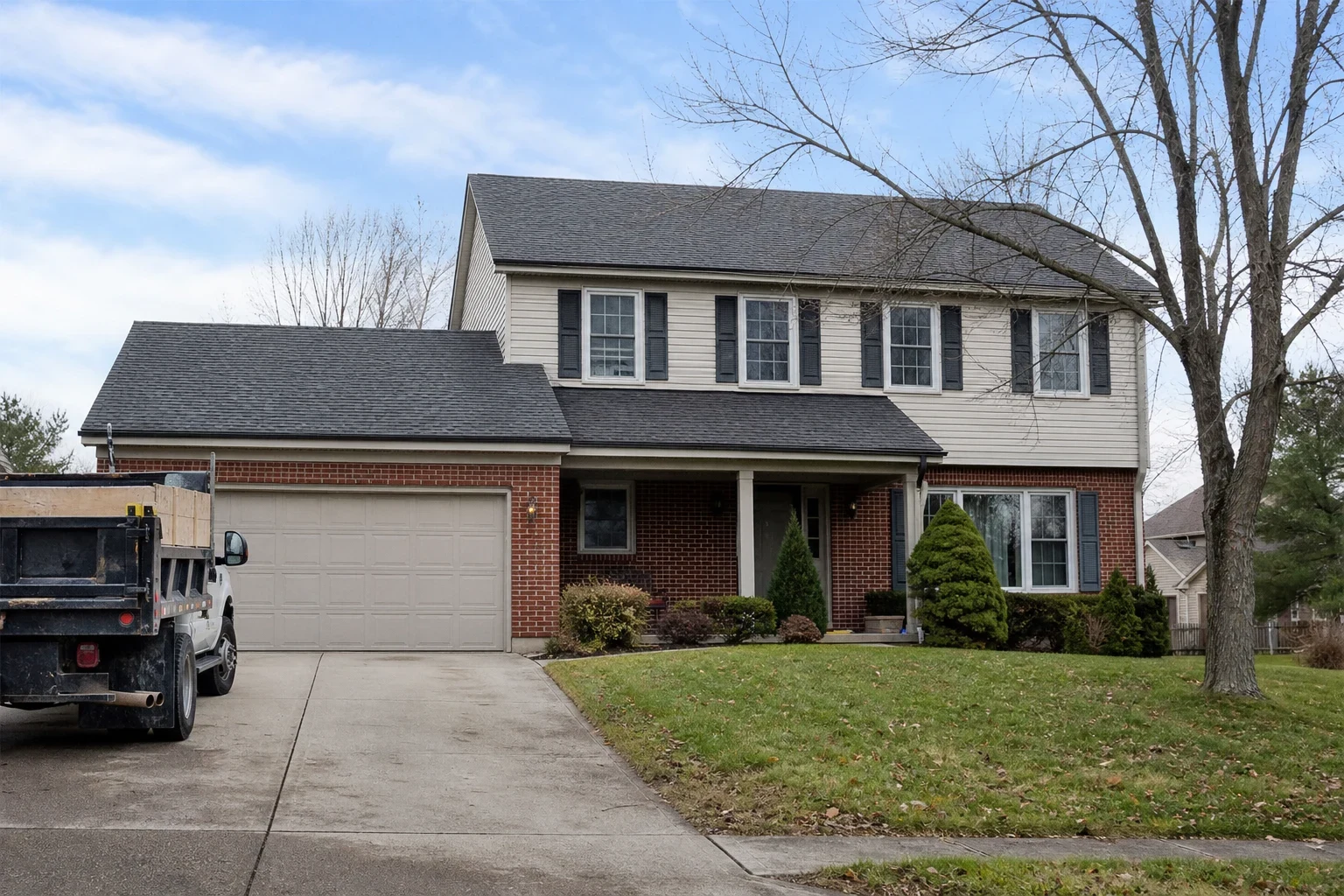
Find out whether it's time for a new roof
We'll look at your roof, tell you plainly whether repair or replacement makes more sense, and put the numbers in writing. The estimate costs you nothing.